Two Rolex Submariners can look almost identical in a photograph and still attract very different offers. One may be a modern steel model with a black bezel; the other, a watch from decades earlier with the same familiar dial-and-bezel layout. But resale value is not determined by appearance alone. Buyers and dealers weigh the reference number, production period, materials, condition, originality, completeness, and current demand—then adjust for how confidently the watch can be authenticated and sold.
That is why “What is a Submariner worth?” is rarely a useful question without more detail. A better starting point is: Which reference is it, what is its history and condition, and which market are we using to compare it? For owners considering a sale in 2026, the backdrop matters too: Rolex resale pricing has begun to recover after the broader post-2022 correction, but a rising market does not lift every Submariner by the same amount.
The reference number is the first clue
A Submariner’s reference number identifies a particular configuration and production generation. It can tell a knowledgeable buyer whether the watch has a date, which movement family it uses, what materials and bezel construction it was made with, and which design details belong to that period. These differences may seem small to a casual observer; to a collector, they help define the watch’s place in the Submariner lineage.
For example, a vintage reference may have different case proportions, dial printing, luminous material, bracelet construction, or bezel insert from a later model. A modern reference may offer a ceramic bezel, a newer movement, contemporary case dimensions, and current technical specifications. The precise details depend on the reference, so sellers should avoid relying on a broad label such as “1980s Submariner” when a reference-specific identification is available.
Reference number differences also affect the size and character of the buyer pool. Some buyers want the latest Submariner for everyday wear, durability, and familiarity. Others focus on a particular vintage generation or a specific dial configuration. If a reference has a distinctive trait that collectors seek, that interest may support a premium. If it is comparatively common, its value may track general Submariner demand more closely.
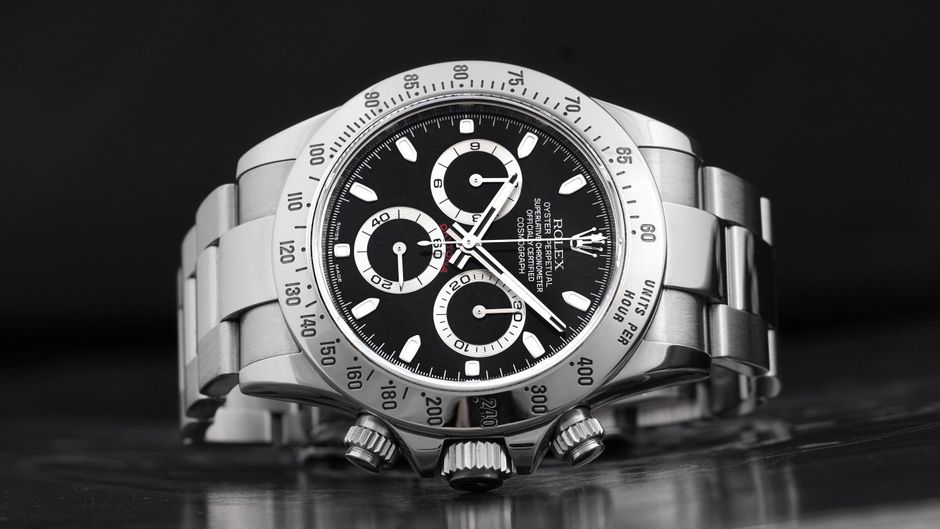
Vintage vs modern pricing: different reasons to pay
Vintage and modern pricing are not simply two points on a scale where “older” automatically means “more valuable.” A vintage Submariner may command attention because of its history, design, scarcity, or collectible details. A modern one may be prized for its technical updates, condition, serviceability, and convenience as a daily watch. Buyers are paying for different qualities.
Vintage watches can also be harder to assess. Original components may have aged, been replaced, or been refinished over the years. A dial that appears unusually clean might be original—or it might have been restored. A bezel insert, hands, bracelet, or case can tell a complicated story. Collectors may pay a premium when the important parts are correct for the reference and period, but they may discount a watch with questionable or mismatched components.
Modern Submariners are not automatically easy to value, either. There may be several closely related references, different purchase dates, and a wide spread in condition and completeness. A recent model with its original box and papers, clear ownership history, and light wear can be more appealing than a heavily worn example. However, a “full set” does not erase problems with the watch itself, and paperwork should always be assessed alongside the physical watch.
Condition and originality can outweigh age
In resale, condition is more than whether a watch runs. A buyer will look at the case, bezel, dial, hands, crystal, bracelet, clasp, and movement. The case may have been polished, for instance, changing the sharpness of its edges or the definition of its original shape. The bracelet may have stretch or replacement links. A dial could show aging—or signs of refinishing. Each finding affects buyer confidence and the cost or risk of bringing the watch to the next owner.
The condition originality premium is the extra appeal a watch can earn when it is both well-preserved and composed of correct, desirable parts. It is not a guaranteed formula or a fixed percentage. Rather, originality can make a watch more credible to collectors and easier for a knowledgeable dealer to present. On a vintage Submariner in particular, a correct, untouched example may be more compelling than a superficially tidier watch whose parts or finish raise questions.
That does not mean every replacement part is bad. A documented service may include a component replaced to keep the watch reliable and wearable. But service parts can affect collector appeal differently from period-correct original parts. The right assessment depends on the reference, the component, the buyer’s priorities, and whether the work is documented. Sellers should disclose known service and restoration history rather than assume a buyer will not notice.
What a resale inspection may consider
- Case: Overall wear, evidence of polishing, and whether the shape appears consistent with the reference. Dial and hands: Condition, period appropriateness, lume appearance, and signs of replacement or restoration. Bezel: Insert type and condition, alignment, and whether the configuration matches the watch. Bracelet and clasp: Correctness, stretch, wear, and the presence of appropriate links. Movement and function: Operation, service history, and findings from a qualified inspection. Documentation: Papers, service records, box, and other supporting materials, considered in context.
The market backdrop: slump, correction, and recovery
Rolex secondary-market prices surged during the pandemic-era boom, when demand outpaced available supply for many highly sought-after watches. That environment did not last indefinitely. Following the market peak around 2022, prices softened as speculation cooled, buyers became more selective, and inventory and asking prices adjusted. A seller comparing today’s estimate with a peak-era listing may therefore be comparing different market conditions, not just different watches.
The correction was not uniform. Some references and configurations fell more sharply than others, while sought-after examples remained comparatively resilient. Asking prices can also lag behind actual transaction activity, so a listing that remains online is not proof that a buyer paid that amount. The practical resale value is shaped by completed transactions, current competition, and the difference between a private asking price and a dealer’s buy offer.
By 2026, the market has shown signs of recovery. Rolex resale recovery in 2026 is best understood as a gradual improvement in market conditions, not a return to the most overheated prices of the boom. As one market datapoint, Rolex secondary-market prices rose 1.7% in Q1 2026 vs the previous quarter. That example suggests forward movement, but a broad index is not a quote for a specific Submariner. A particular reference may rise faster, move sideways, or remain below a previous high.
For perspective, market reporting by the Los Angeles Times has covered the wider shifts in the luxury-watch and resale environment, while financial research from firms such as Morgan Stanley has helped frame the scale and direction of the pre-owned watch market. Those sources can help readers understand the larger picture. They do not replace reference-level research or an inspection of the individual watch.
How to track a Submariner’s market value
Market tools are useful when their data is interpreted carefully. WatchCharts is a watch-pricing platform that tracks estimated market prices and trends across many models. It can help owners see whether a reference’s broader trajectory is rising or falling, and compare it with other watches. Its estimates are a starting point, not a binding offer: the condition and configuration of a particular watch may differ from the assumptions behind a model-level estimate.
EveryWatch is a watch-auction platform that aggregates auction-related information. Auction results can offer another lens on demand, especially for collectible vintage watches, but they need context. A result may reflect a rare configuration, strong provenance, a particular auction audience, or a buyer’s premium and other sale terms. It should not be treated as interchangeable with a dealer purchase offer or a private sale.
A practical comparison process
Confirm the reference. Check the watch and available documentation, and have an experienced professional verify the identification where needed. Compare like with like. Look for the same reference and, where possible, similar configuration, condition, and completeness. Separate asking prices from completed sales. Listings show what sellers hope to receive; completed transactions provide stronger evidence of what buyers paid. Account for the selling channel. A dealer buy offer, consignment estimate, auction result, and private-sale price represent different routes and costs. Document condition and service. Clear photographs and records help explain why a watch may sit above or below a broad market estimate. Factor Why it can change the price What a seller can verify Reference and generation Defines the watch’s configuration and collector comparison group. Reference details, production period, and configuration. Condition and originality Influences desirability, service risk, and buyer confidence. Case, dial, hands, bezel, bracelet, and service history. Completeness and records Can make ownership history and the sale presentation more convincing. Box, papers, receipts, and documented service. Market timing and channel Changes the available buyers, fees, and net amount received. Recent comparable sales and the terms of each selling route.Certified Pre-Owned and credibility in resale
Credibility matters because buyers are not just evaluating a watch’s looks; they are taking on the risk that its identity, condition, and history have been represented accurately. Rolex Certified Pre-Owned, offered through participating authorized retailers, provides an official resale channel for eligible pre-owned Rolex watches that meet the https://www.latimes.com/b2b/business-partnerships/story/2026-10-01/sell-rolex-los-angeles program’s requirements. The program can offer buyers a structured way to shop with added confidence, but availability, selection, and pricing vary. It does not mean every pre-owned Submariner is certified, nor does certification make every example the right choice for every collector.
Outside the manufacturer’s program, a reputable specialist should explain what was inspected, what is included in the sale, what service has been performed, and what guarantees or return terms apply. For a seller, organized documentation and transparent disclosure can reduce uncertainty. For a buyer, asking for a detailed description and a clear account of any replaced or refinished components is sensible, particularly when considering a vintage watch.
Credibility can influence the price a seller actually receives. An undocumented watch with a difficult-to-verify history may require a larger discount to attract a buyer, even if it looks attractive. Conversely, a carefully documented example may be easier to evaluate and present. The point is not that paperwork guarantees a premium; it is that verifiable information helps the market distinguish one watch from another.
Why two Submariners can sell for different amounts
Imagine two black-dial Submariners from different decades. One is a modern reference with an updated movement and ceramic bezel, in strong condition with its original papers. The other is an older reference with a desirable vintage profile, but its case has been polished and its hands may not be original. The modern watch may attract a buyer who values contemporary performance and ready-to-wear condition. The vintage watch may still interest collectors, but its originality questions could narrow the pool or prompt a lower offer.
Reverse the details and the outcome may change. A well-preserved vintage example with convincing provenance and correct parts could attract more collector interest than a more common modern watch with heavy wear and incomplete components. Age alone does not decide the result. The reference, the quality of the individual watch, and the confidence buyers have in its story all matter.
For a realistic estimate, identify the exact reference, document the watch’s condition, compare recent transactions for genuinely similar examples, and consider the net proceeds from the selling channel you prefer. The 2026 rebound may be encouraging, but it is only the market backdrop. The price of a specific Submariner comes down to what makes that particular watch desirable, credible, and competitive with the other examples available today.