Menstrual products placement in the workplace is a subtle yet powerful element of promoting dignity, comfort, and inclusivity among employees. As companies strive to foster hr.com period-friendly practices, one frequently encountered question is: should menstrual products be stocked only at the reception desk, or is it best to place them inside restrooms? This discussion touches on the core themes of restroom access, employee comfort, and practical facilities management. Drawing on insights from HR.com’s community platform and thorough guidance from the SHRM website, this post explores why restroom placement remains the best practice – with a focus on dignity, usability, and trust in workplace amenities.
The Importance of Dignity at Work Through Restroom Access
When we talk about dignity at work, it’s often discussed in broad strokes – respect, inclusion, and equal opportunity. However, small frictions like where menstrual products are placed can quietly erode employee trust and comfort. Access to free menstrual products is more than a “nice to have.” It’s a practical, low-cost demonstration of care, and it must be delivered in a way that preserves dignity.

Imagine if an employee in need must make the choice to leave the privacy of the restroom, walk to the reception, possibly ask a receptionist for products, and then return. This chain of events does not support dignity. It creates an unnecessary spotlight on a private need. It opens the door to awkwardness or embarrassment, which is the exact opposite of supporting a productive, comfortable workspace.
What the Research and HR Experts Say
According to SHRM, providing menstrual products in restrooms affirms employees’ privacy and helps avoid stigmatizing these natural health necessities. HR.com’s community discussions also emphasize that “when amenities are behind glass counters or located in common areas, it often leads to underutilization or discomfort.” The consensus is clear that access within restrooms demonstrates respect and meets the basic expectation of comfort at work.
Period-Friendly as Practical Facilities Choices
The restroom is the natural setting for menstrual products and other hygiene-related resources. But “period-friendly” is not just about what products are offered. It’s about the entire restroom environment:
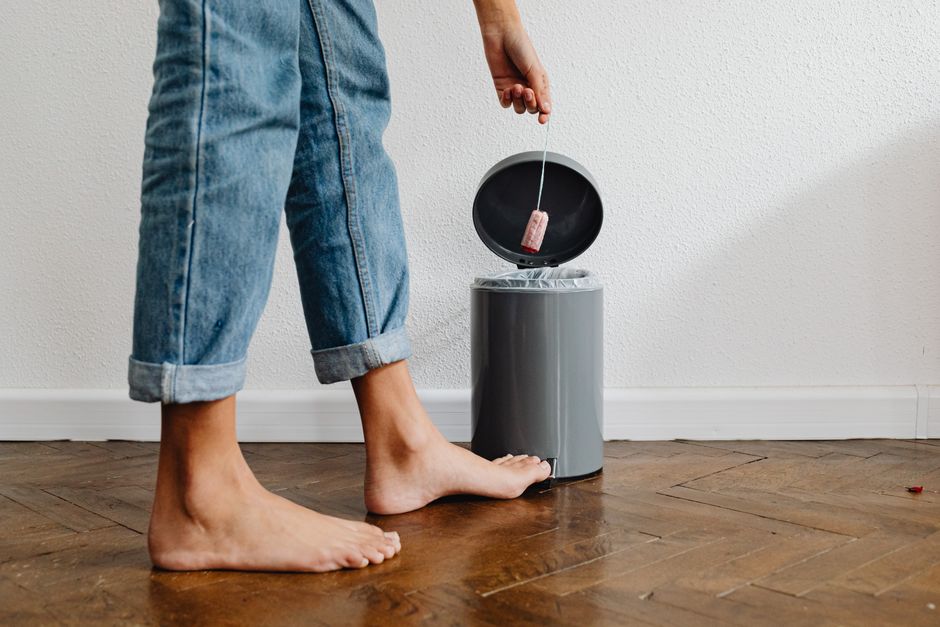
- Privacy: Are stalls secure and locking properly? Insecure stalls lead to stress around restroom use during menstruation. Usable Space: Is there adequate space inside stalls or near sinks for disposal and handwashing? Storage and Accessibility: Are products visible but discreetly placed? Are they replenished regularly? Inclusivity: Is signage and placement sensitive to gender-neutral restrooms or multi-use spaces?
Facilities teams and HR must collaborate to ensure these conditions not only exist but are maintained. One small but critical facility-related friction is ignoring how bags, coats, or other personal items will be managed in stalls with menstrual product use in mind.
Practical Tips for Period-Friendly Restroom Design
Install sturdy, lockable stall doors: Employee comfort declines dramatically if locks don’t work or stalls feel unsafe. Create product dispensers inside stalls or at sink areas: This placement reduces the need to ask others, preserving privacy. Provide discreet waste bins: Large enough and covered to allow for sanitary disposal without visibility. Schedule regular replenishment with a clear accountability plan: Knowing “who empties it and how often” avoids awkward out-of-stock situations. Offer space hooks or shelves: So employees can manage belongings securely when using restrooms.Free Menstrual Products: A Low-Cost Signal of Care
From an HR operations perspective, why do free menstrual products matter enough to invest in? The answer is straightforward: they are a low-cost but high-impact investment signaling care and support. The costs of turnover, reduced engagement, or absenteeism linked to discomfort and embarrassment are far higher than the few dollars to stock products.
A SHRM article highlights that organizations who provide such necessities see improved employee satisfaction and contribute to destigmatizing menstruation – a health issue that too often remains taboo in professional settings.
However, if these products are only available at reception, the message can get lost or worse – become a source of discomfort and avoidance. Employees might feel cautious asking for them publicly or delay retrieving them until it’s an emergency. A more empathetic and practical approach places products where they’ll be used: inside the restroom stalls.
Addressing the Common Concern: “Who Empties It and How Often?”
A frequent question from facilities or HR teams when considering restroom menstrual product placement is the logistics: “Who empties it and how often?” This concern is valid and essential for success.
Menstrual product dispensers or bins in restrooms must have:
- Clear assignment of responsibility – usually housekeeping or facilities operations teams Daily or bi-daily checks during peak occupancy Visible reporting mechanisms for staff to flag supply or maintenance issues Use of sealed waste bags or bins to avoid odors and preserve hygiene
Ignoring this practical detail leads to clogged bins, foul odors, and product shortages – ironically undermining the very dignity and comfort the amenity was meant to support.
Conclusion: Menstrual Products Belong in the Restroom, Not Just Reception
Placing menstrual products only at reception undercuts the employee experience by adding unnecessary social discomfort, privacy concerns, and friction to a basic health need. True dignity at work comes from ensuring restroom access includes thoughtfully placed, well-maintained menstrual products alongside secure stalls and private, usable space.
Embracing these low-cost, practical facilities improvements signals genuine care and fosters an inclusive, comfortable environment for all employees. HR and facilities teams partnering on these upgrades can quietly reduce turnover drivers and elevate the workplace experience — all by recognizing that how and where we provide menstrual products matters as much as providing them.
Resources and Further Reading
- HR.com – Free Menstrual Products in the Workplace SHRM – How Workplaces Can Help Address Menstrual Health