Most small business owners think they need two separate design teams or twice the budget to build a high-performing digital presence. They treat mobile and desktop as two distinct species that require separate care and feeding. This is the fastest way to hemorrhage money and stall your growth.
This reminds me of something that happened made a mistake that cost them thousands.. In my 12 years of auditing digital operations, I have seen brands lose thousands of dollars simply because they design a desktop site, then try to "squeeze" it onto a mobile screen. Exactly.. That is not responsive design; that is digital hoarding.
You don't need two sets of assets. You need a unified system that focuses on the core user intent. If you can solve for the user’s problem on a three-inch screen, scaling that experience to a 27-inch monitor is easy. Going the other way? That is where the mess begins.
Stop Building for Two Devices
The "duplication trap" happens when you start your design process on a desktop. You add a sidebar, a massive hero image, and a six-field contact form because you have the screen real estate. Then, when you move to mobile, you find yourself deleting content, hiding elements, and re-coding logic to make it "fit."
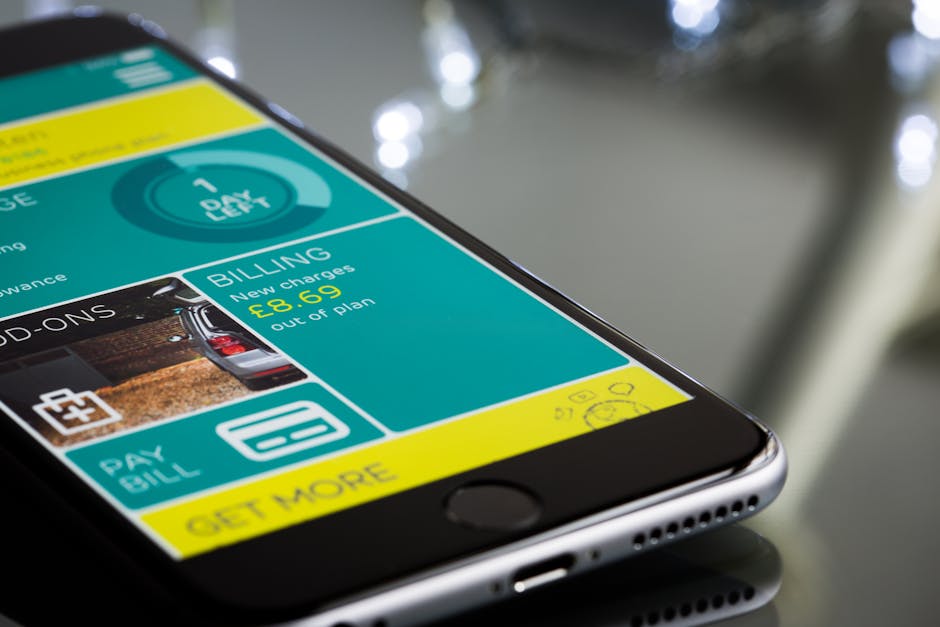
Stop doing that. When you embrace a mobile-first design philosophy, you define your content hierarchy before you touch a single pixel.
If an element—a button, a marketing blurb, or a background video—isn't essential to the user achieving their goal on a mobile device, delete it. If it’s not helpful on mobile, it’s likely just clutter on desktop. By stripping away the fluff, you naturally create a cleaner, faster experience that works on both.
The Click-Count Audit: Why Less is More
I count every click.
If it takes more than three clicks for a user to complete a primary goal—like signing up for a newsletter or adding an item to their cart—your flow is broken. Most small business websites treat signups like they are interrogating a suspect.
Why are you asking for a phone number when you don't use it for shipping? Why do you force a password creation step before the user has even seen the value of your product? This is friction. Friction kills conversion rates, regardless of the screen size.
Designing the Signup Flow
To reduce duplication, build your registration flow as a modular component. Use the same API-driven backend for your websites and mobile apps. When you update the flow, it updates everywhere. Here is how I audit a registration flow:
Entry: Does the user know exactly what they are getting? The "Ask": Are you asking for only the bare minimum? Verification: Is the email confirmation automated and invisible? The Reward: Does the user get immediate value, or are they met with a "Thank You" screen and a dead end?If your flow has more than three clicks, you are losing customers. If you are using a popup to capture emails the moment a user lands on your site, stop. That "Join our Newsletter" popup is the first thing I add to my list of annoying UI patterns. Nobody wants to sign up for your newsletter before they have read a single sentence of your content. Give value first, then ask for the email.
Cross-Device UX: Consistency Without Clutter
Cross-device UX isn't about making a mobile site look like a desktop site. It is about making the transition seamless. If a user starts a task on their phone while commuting and finishes it on a desktop at their office, the state of that task should follow them.
This is where secure payment systems come into play. A good payment provider, like Stripe or PayPal, handles the heavy lifting of security compliance, but the UI is on you. Ensure your checkout form is identical in logic across devices.
Avoid custom inputs that break browser autofill. There is nothing more frustrating than trying to type a credit card number into a poorly coded, non-standard input field on mobile. Use standard HTML tags for inputs. They are optimized for every browser, they trigger the correct keyboard on mobile, and they require zero extra work to make "responsive."
Comparison: Desktop vs. Mobile Component Strategy
The following table outlines how to map your design components to avoid duplication of effort. By utilizing a "Core Component" approach, you build once and deploy everywhere.
Component Desktop Approach Mobile Approach Efficiency Tip Navigation Horizontal Menu Bar "Hamburger" or Tab Bar Use a single data source for both menus. Content Blocks Multi-column grid Single column stacked Use CSS Flexbox/Grid; no need for unique mobile content. Checkout Form Wide-form with labels Single-column vertical Use standard HTML input types for autofill support. Popups Exit-intent only Bottom-sheet (Slide up) Keep them rare; don't obstruct the main content.The Truth About Responsive Design
Too many people treat responsive design as a visual chore. They worry about how their logo looks on an iPad versus a 13-inch laptop. While visual polish matters, your priority is functional consistency. If the user can’t find the "Add to Cart" button, it doesn't matter if the shadows on your icons are perfectly rendered.
Digital-first business models thrive because they move fast. When you duplicate work—building a mobile trust signals website site in one CMS and a desktop site in another—you double your maintenance. Every time you change a price, update a product description, or adjust a checkout step, you have to do it twice. That is not just inefficient; it is a recipe for broken links and data discrepancies.
Avoid the "Game-Changing" Trap
I hear people say, "Our new checkout flow is game-changing." If it is just a button that works, it’s not a game-changer. It’s basic functionality. Don’t fall for the hype of complex design frameworks that promise to solve everything. Often, the best solution is the simplest one: semantic HTML, clean CSS, and a logical flow that respects the user's time.
Practical Steps to Simplify Your Workflow
If you feel overwhelmed by the need to manage both desktop and mobile, follow this roadmap to get back on track:
- Implement a Design System: Create a "Source of Truth" for your buttons, fonts, and colors. When you need to change your brand color, you change it once in your CSS, and it updates across all devices. Audit Your Existing Flows: Count the clicks. If you find a step that feels unnecessary, delete it. If you have to ask yourself, "Does the user really need to enter their birthday right now?" the answer is almost always no. Test on Real Hardware: Don't rely on the "Inspect Element" mobile view in Chrome. Grab your phone. Walk to the kitchen. Use your site while distracted. If you can’t complete a purchase in under 60 seconds, your flow is too heavy. Standardize Payments: Use a unified payment gateway integration that provides a pre-built, responsive UI. Do not try to build a custom credit card entry field unless you have a dedicated security engineering team. Kill the Popups: Seriously, look at your site. How many popups appear within the first 10 seconds? If you’re blocking the view, you’re losing users. Move those offers to a non-intrusive banner or a dedicated section at the bottom of the page.
Conclusion
Designing for desktop and mobile is not a battle between two platforms. It is a commitment to the user's experience. When you design for the smallest screen first, you force yourself to prioritize what actually matters to your business. You eliminate the "nice-to-have" features that slow down your load times and confuse your customers.
Stop duplicating your efforts. Stop building silos. Start creating a single, robust system that works everywhere. The goal of a digital business isn't to show off fancy design flourishes; it is to get the user from "I’m interested" to "Transaction complete" with as little friction as possible.

Keep your click count low, your code clean, and your popups nonexistent. That is how you build a business that scales.