If you’re prescribed medicinal cannabis flower vapourisers under a doctor’s guidance, particularly through NHS England pathways, you might wonder whether switching devices is allowed. With the rise of https://dlf-ne.org/whats-the-simplest-driving-pack-for-medical-cannabis-patients/ vaping technology and companies like EV Powered innovating new hardware, it’s a reasonable question.
This post clarifies your legal position, outlines important considerations around THC in your blood versus impairment, and highlights police procedures such as roadside swab tests versus police station blood tests. Follow prescriber and manufacturer instructions carefully to avoid stepping outside your statutory medical defence.
Understanding Your Prescription and Device Compliance
The Exact Legal Framework for Medicinal Cannabis Use
The General Medical Council (GMC) currently stipulates that medicinal cannabis use must follow a prescribed regimen. This includes the specific cannabis flower strain, dosage, and method of delivery—often a vapouriser device.
Why does the specific device matter? Your prescription implicitly or explicitly covers the hardware used—once you deviate, even if the flower is the same, you risk invalidating your legal position.
- Follow prescriber instructions: Your doctor’s prescription may specify vapouriser type or brand. Follow manufacturer instructions: Different devices have varying heating profiles, producing different THC absorption levels.
If you vapourise flower in a device not approved or prescribed, you may lose the statutory medical defence if charged under the Road Traffic Act.
THC Blood Limit vs Impairment: What the Law Says
The UK’s drug driving laws set strict THC blood limits to determine impairment. Unlike alcohol, THC concentration in blood doesn't clearly correlate with how impaired a driver actually is. This mismatch complicates cases where prescribed medical cannabis is involved.
Test Type Purpose Timing Effect on Legal Defence Roadside swab test Detect presence of THC on saliva Immediate, at scene Triggers arrest if positive; less accurate for impairment Police station blood test Quantify THC blood levels accurately Post-arrest, potentially hours later Used as primary evidence for offence; timing critically affects THC level readingBecause of delayed testing, THC levels on blood tests may not reflect actual impairment at the driving time. This is where your statutory medical defence under the Road Traffic Act 1988 becomes essential, provided you adhered strictly to prescription and device instructions.
Statutory Medical Defence and Burden of Evidence
The statutory medical defence for drug driving offences applies when you can prove medicinal cannabis was lawfully prescribed and taken as prescribed. Key points:
Lawful prescription: Confirmed via documentation from your healthcare provider, ideally supported by NHS England records. Use of prescribed device and flower: You must demonstrate that you did not deviate from prescribed methods—switching devices undermines this. No additional intoxicants: You must not combine with non-prescribed substances that could increase impairment.The burden of proof lies with the defendant (you) to show compliance with all medical instructions and manufacturer guidelines. Courts expect rigorous adherence. A small deviation might jeopardise your whole defence.
Roadside Swab Test vs Police Station Blood Test: What You Need to Know
Role of the Roadside Swab Test
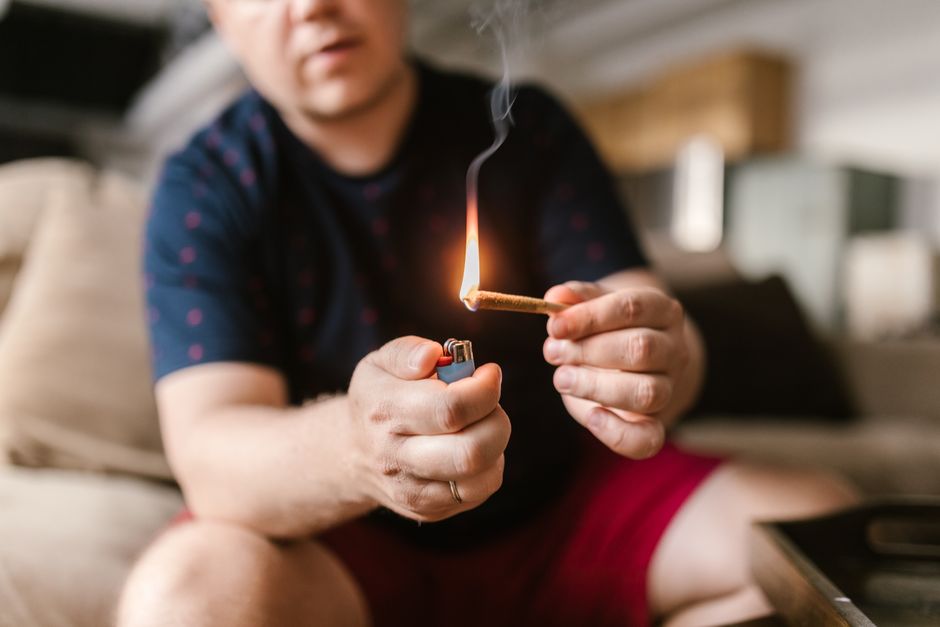
Officers use a roadside saliva swab to detect recent THC consumption. It can trigger arrest but is not conclusive proof of illegal drug driving. Saliva presence can show recent use but not actual impairment or blood concentration.
Role of the Police Station Blood Test
A police station blood sample provides an objective THC drug driving specified limits 2014 blood level measure. However, the time delay between driving and sample collection matters. THC dissipates rapidly, potentially complicating interpretation.
This is why it’s crucial to document and retain:
- Prescription details specifying device and cannabis type Proof of purchase and use of the prescribed device Manufacturer’s instructions demonstrating your compliance
EV Charging Downtime: A Legal Risk Window Explained
An interesting scenario illustrating legal risk involves EV charging stops. Imagine you have your medicinal cannabis flower vapouriser (prescribed hardware) in your pocket during a charge session at a station powered by EV Powered or similar companies.
Scenario:
- You park and plug in your electric vehicle to charge. You carry your vapouriser device at all times, per prescription instructions, waiting for the charge. You do not consume any cannabis flower during this downtime.
Why is this relevant? Police may stop drivers during or immediately after charging sessions. THC blood levels may be tested hours after consumption. If you used a non-prescribed device or consumed cannabis outside the prescribed method, the THC detected might reflect impairment during driving.
Keeping your device ‘keys in pocket’ at an EV charging point is perfectly acceptable—no offence, provided you don’t consume or alter prescribed usage. But using a different device or flower type here would expose you to legal risk during the ‘charging downtime’ window when THC residuals are monitored.
Summary: How to Stay Within Your Legal Defence
- Always follow prescriber instructions: Use only the device and cannabis flower type your doctor prescribed. Adhere to manufacturer instructions: Use the vapouriser exactly as intended to ensure dose consistency. Keep documentation handy: Carry prescription paperwork and device manuals in case of police queries. Avoid assumptions: Switching device types or flower strains may invalidate your statutory defence even if your cannabis is legitimate. Be aware of testing procedures: Know police do roadside swabs first (show presence) and subsequent blood tests (prove THC level). Minimise consumption timing risk: Plan medicinal cannabis intake so THC levels reduce before driving—this is vital during EV charging stops or any downtime.
Final Thought
Medicinal cannabis patients can drive legally if they strictly follow prescriber and manufacturer instructions. Switching to a different vapourising device not authorised by your doctor or NHS England may unintentionally nullify your statutory medical defence under the Road Traffic Act.
Before swapping devices, consult your prescribing doctor and check with reputable sources like the General Medical Council’s guidance. Avoid the common internet myth that 'turning off the engine means you cannot be done'—police tests rely on blood THC levels and documented usage, not engine status.
Stay safe, legally compliant, and informed.
```